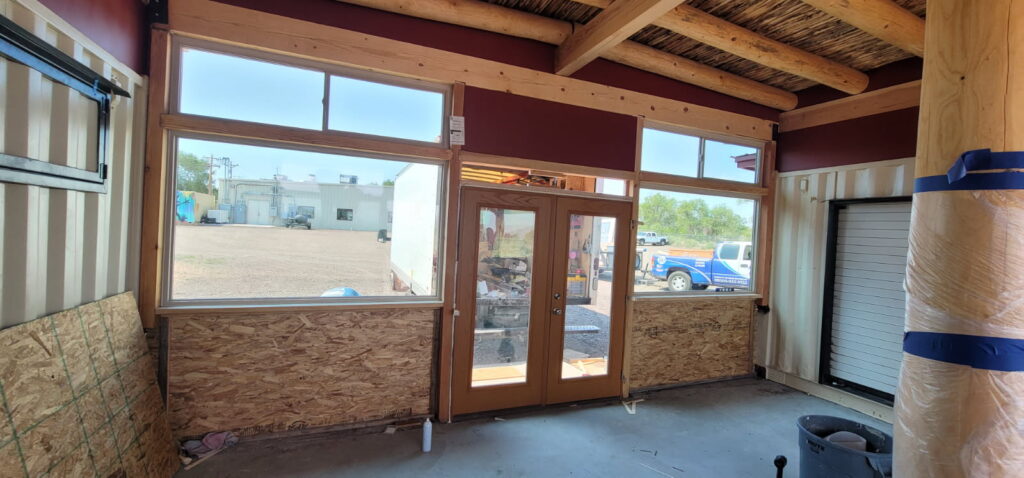
Construction of the Hawikku Solar Community Hub
With the help of a grant from Dell Computer, Geeks Without Frontiers, Remy’s Rainy Day Fund and Infinite Gesture, our team designed and built a Zuni style Computer lab

A Community-Powered Space Demonstrating the Future of Tribal Resilience
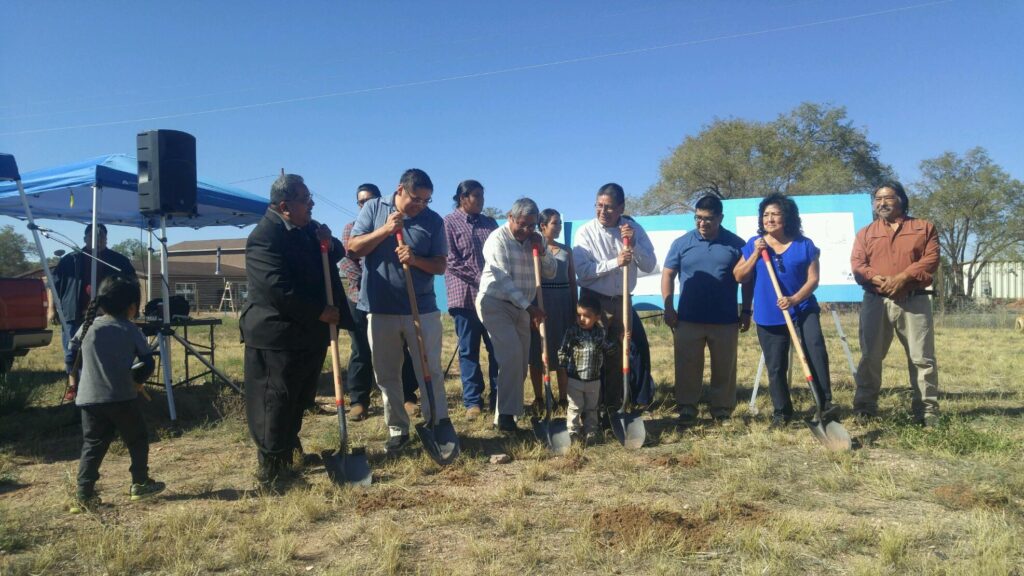
The Hawikku Solar Community Hub is a landmark clean-energy project built to catalyze practical learning, workforce development, and community access to renewable infrastructure in the Pueblo of Zuni. Completed in 2025 with support from Dell, the Hub exemplifies the principles of community ownership, applied education, and energy sovereignty.

Purpose & Vision
The Solar Community Hub was conceived as more than just a building powered by the sun—it is a living demonstration site where community members can see renewable energy in action, engage with technology hands-on, and explore pathways into clean-energy careers. As described by Dell’s Solar Community Hubs initiative, these spaces are intended to spark local engagement, strengthen resilience, and support underserved communities through visible, working clean-energy systems.
Aligned with this vision, the Hawikku Community Hub:
- Reduces operational energy costs with on-site solar generation
- Serves as a teaching and demonstration site for youth, families, and adult learners
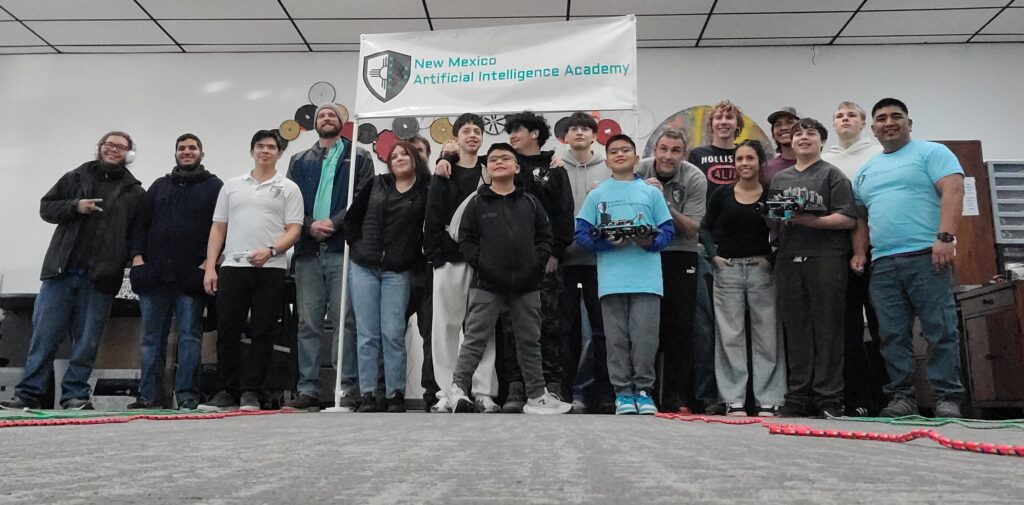
- Provides a home base for Hawikku programming in robotics, STEM education, entrepreneurship, and community workshops
Illustrates how Tribally led clean-energy investments can have broad cultural and economic impact
Technical Features
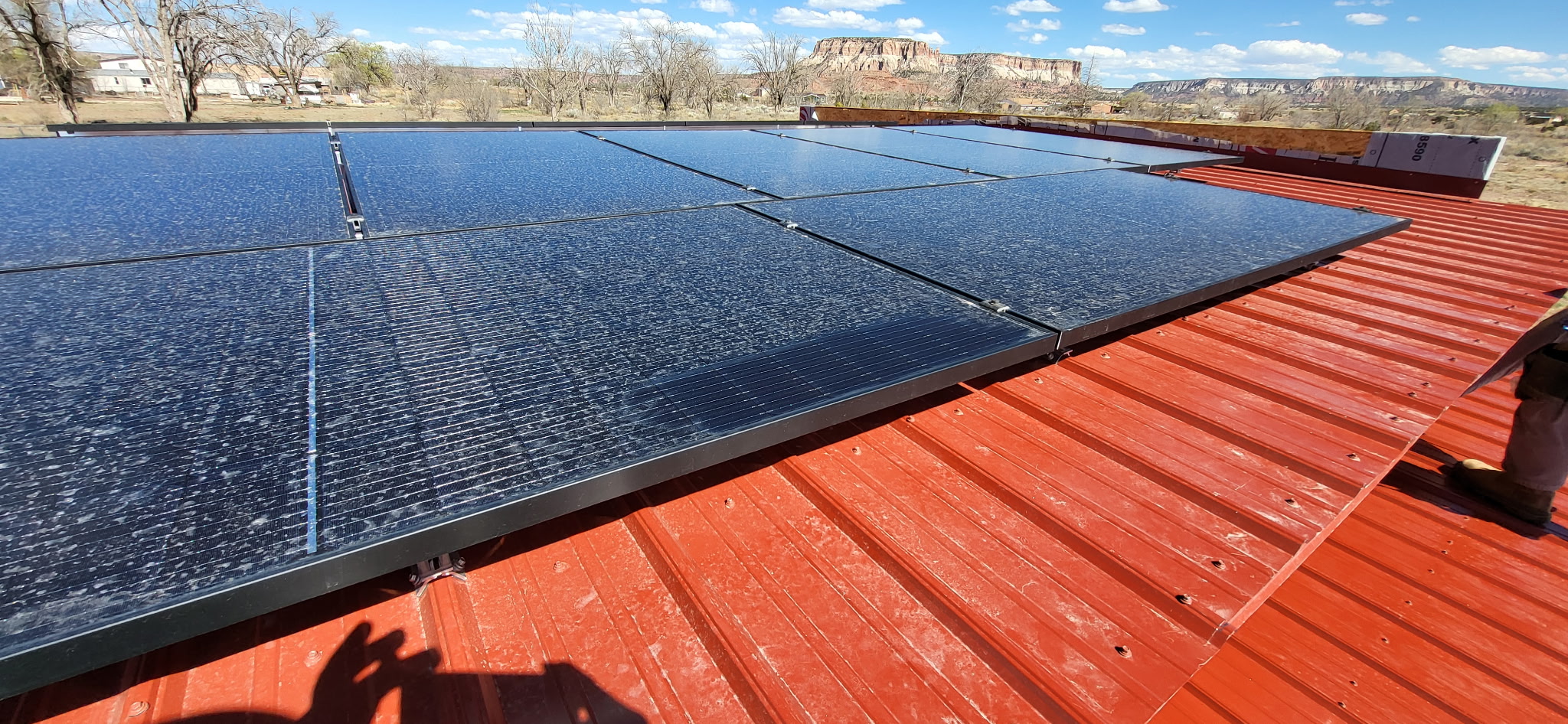
The Hawikku Hub’s clean-energy system was designed to be both practical and replicable:
- 5.4 kW rooftop solar array — generating clean electricity for daily Hub operations
- Integrated EV charging station — supporting electric vehicles and demonstrating sustainable transportation infrastructure
- Architectural and electrical design built for expandability, education, and safety
- Public-facing installation to make solar visible and accessible to residents of all ages
The project demonstrates how clean-energy infrastructure can be integrated into community spaces that serve multiple purposes: reducing emissions, lowering energy costs, and inspiring lifelong learning.

Timeline & Collaboration
The construction and commissioning of the Solar Community Hub unfolded through collaborative planning and implementation:
- Site identification & community input — ensuring the Hub reflects local priorities
- Engineering and permitting — aligning with safety, Tribal codes, and educational objectives
- Installation & commissioning — deploying solar and EV charging technology with hands-on community engagement
- Launch & activation — opening the Hub for programming, tours, and public interaction
Dell’s Solar Community Hubs initiative provided foundational support, while Hawikku contributed community leadership, coordination, and alignment with local priorities—resulting in a facility that is both technically sound and culturally grounded.
Programming & Community Impact
Since opening, the Solar Community Hub has hosted a range of activities that connect clean energy to everyday life and future opportunity:
- Youth robotics and STEM classes
- Entrepreneurship and workforce development workshops
- Community energy education sessions for families
- Demonstrations linking solar generation to home and commercial energy use
By situating renewable infrastructure at the heart of community learning, the Hub activates awareness and agency—showing that clean energy is not just a technology, but a tool for building economic resilience and intergenerational opportunity.
A Model for Replication
The Hawikku Solar Community Hub stands as a replicable example of how Tribal communities can leverage clean-energy investments to achieve education, resilience, and economic impact simultaneously. As Tribally led demonstration facilities, Solar Community Hubs provide not only electricity, but a platform for capacity building, local innovation, and transformational community engagement.
Investments in the Hub continue to yield dividends—sparked by local curiosity, sustained through community programs, and expanding opportunities for Zuni families across generations.